
Baroque Opera Discography
Rachel Mitchell · on 18 July 2026 · 10 min read · Last reviewed 18 July 2026
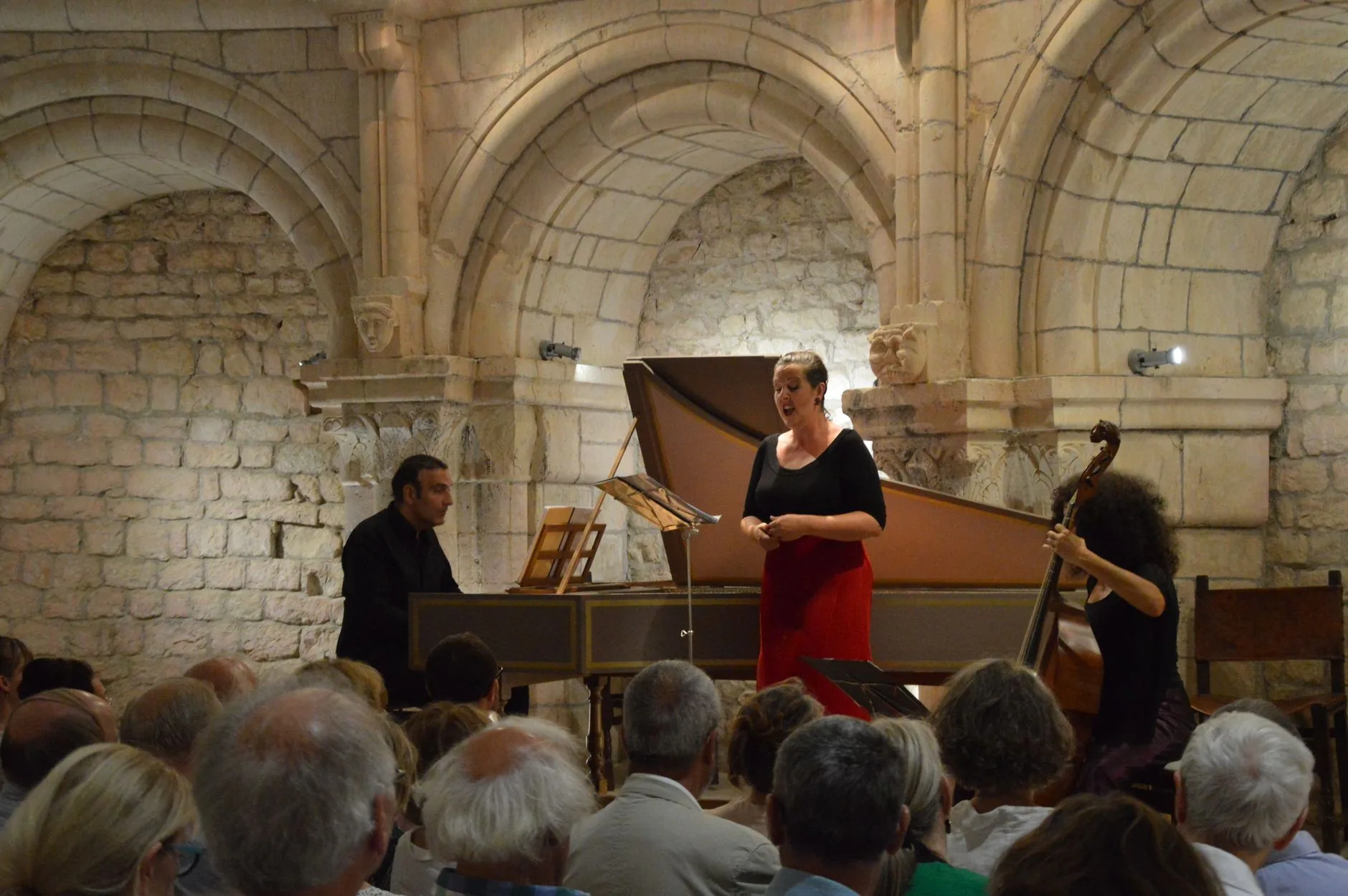
An oratorio is a musical composition with dramatic or narrative text for choir, soloists, and orchestra or other ensemble.
- Oratorios originated in the late 16th century as a form of religious music.
- The most famous oratorio, Handel’s Messiah, premiered in 1742 and remains a cornerstone of the genre.
- Unlike operas, oratorios are typically performed in concert halls rather than on stage.
- The text of an oratorio can be sacred or secular, though early examples were often biblical.
What does oratorio mean?
The term “oratorio” comes from the Italian word “oratorio,” which means “place of prayer” or “devotional oratory.” This reflects the genre’s roots in religious music, particularly in the context of devotional practices in Italy.
An oratorio is a large-scale musical work that combines elements of opera and concert music. It features a narrative or dramatic text, usually with biblical or religious themes, performed by a choir, soloists, and an orchestra. The key difference from opera lies in the absence of staging, costumes, and acting; the focus is solely on the music and the storytelling through voice.
The term “oratorio” is often mistaken for other choral music types, yet its blend of solo and choral voices with orchestral backing makes it distinct. This genre thrived in the Baroque era and remains important in classical music today.
What is the difference between an oratorio and an opera?
An oratorio and an opera differ primarily in their presentation. An oratorio is a musical work performed in a concert setting without staging, costumes, or actors, while an opera is a theatrical performance that includes singing, acting, costumes, and stage sets.
Oratorios often have religious or biblical themes, whereas operas can cover a wide range of subjects, from historical events to mythological stories and contemporary dramas. Additionally, oratorios typically feature a choir, which plays a significant role in the narrative, while operas focus more on soloists and ensemble singing.
For example, Handel’s Messiah, one of the most famous oratorios, tells the story of Jesus Christ through a series of choral and solo passages, all performed in a concert hall. In contrast, Mozart’s The Magic Flute is an opera that combines singing with elaborate stage productions and acting.
What is the most famous oratorio called?
The most famous oratorio is Messiah by George Frideric Handel, premiered in 1742. This monumental work, with its iconic “Hallelujah” chorus, remains a staple of the oratorio repertoire and is performed worldwide, particularly during the Christmas season.
Messiah is divided into three parts and tells the story of the birth, passion, and resurrection of Jesus Christ. Its blend of solo arias, choral passages, and orchestral accompaniment has made it one of the most enduring and beloved works in classical music.
According to the Handel & Hayden Society, Messiah has been recorded hundreds of times, with notable performances by conductors such as John Eliot Gardiner and Sir Colin Davis. The work’s universal appeal and timeless beauty ensure its place as the most famous oratorio in history.
Is an oratorio religious?
While many oratorios have religious themes, particularly those from the Baroque and Classical periods, the genre is not exclusively religious. Oratorios can cover a wide range of subjects, including secular stories and historical events.
For instance, Handel’s Belshazzar’s Feast, a lesser-known but significant work, tells the story of the Babylonian king Belshazzar from the Bible. However, oratorios like Haydn’s The Seasons explore non-religious themes, focusing on nature and human experiences.
Oratorio genre’s religious connotations stem from its origins in devotional music, but over time, composers have expanded its scope to include a variety of narrative and dramatic subjects. This versatility has allowed the oratorio to remain a vibrant and evolving form of musical expression.
Oratorio music: Key composers and works
Several composers have made significant contributions to the oratorio genre, shaping its evolution and expanding its repertoire. Key figures include George Frideric Handel, Johann Sebastian Bach, and Felix Mendelssohn.
Handel’s Messiah is the most famous example, but his other oratorios, such as Samson and Judas Maccabaeus, are also notable for their dramatic intensity and musical innovation. Bach’s Passions, though not strictly oratorios, share many characteristics with the genre, including their narrative structure and choral complexity.
In the 19th century, Mendelssohn’s Elijah became a landmark work, blending Romantic harmonies with the traditional oratorio form. Other notable composers include Haydn, with The Creation and The Seasons, and Verdi, who composed Quattro pezzi sacri, which includes elements of the oratorio.
| Composer | Notable Oratorio | Year Composed |
|---|---|---|
| George Frideric Handel | Messiah | 1741 |
| Johann Sebastian Bach | St. Matthew Passion | 1729 |
| Felix Mendelssohn | Elijah | 1846 |
| Joseph Haydn | The Creation | 1798 |
| Giuseppe Verdi | Quattro pezzi sacri | 1886-1896 |
Oratorio pronunciation
Oratorio” is pronounced o-rä-tô’rē-ō, with stress falling on the third syllable. The pronunciation can vary slightly depending on regional accents, but the most commonly accepted pronunciation follows the Italian origin of the term.
Knowing the right pronunciation is key to grasping the genre’s historical and cultural significance. The term’s Italian roots show its beginnings in devotional music and the genre’s growth in Italy during the late 16th and early 17th centuries.
Oratorio example: A deeper look
To fully appreciate the oratorio genre, it’s helpful to examine a specific example in detail. Handel’s Messiah is an excellent case study, not only for its historical significance but also for its musical and dramatic depth.
Dividing into three parts, the work focuses on different aspects of Jesus Christ’s life. Part I covers the prophecy of the Messiah and his birth, Part II deals with his passion and death, and Part III focuses on the resurrection and redemption. The “Hallelujah” chorus, which concludes Part II, is one of the most famous and frequently performed pieces in classical music.
John Eliot Gardiner’s performances offer a deeper understanding, known for their historical authenticity and emotional resonance. Gardiner’s recordings often feature period instruments and stylistic performances that bring the music to life in a way that resonates with modern audiences.
Oratorio meaning in music
Music extends beyond its religious origins to encompass a broad range of narrative and dramatic works known as oratorio. While the genre initially focused on biblical stories, it has evolved to include secular themes and historical events.
This evolution reflects the versatility of the oratorio form, which allows composers to explore a wide range of subjects and emotional landscapes. The combination of solo and choral singing, along with orchestral accompaniment, creates a rich and dynamic musical experience that can convey complex narratives and deep emotional resonance.
Oratorio’s meaning in music is also shaped by its performance context. Unlike operas, which are performed on stage with elaborate sets and costumes, oratorios are typically presented in concert halls, allowing the music to take center stage. This focus on the musical elements rather than the visual spectacle highlights the power of the human voice and the orchestration in telling a story.
The golden age of oratorio: 1600- _c._ 1750
Spanning from the early 17th century to the mid-18th century, the golden age of oratorio saw significant developments in the genre. During this time, composers such as Handel, Bach, and Vivaldi made groundbreaking contributions that shaped the oratorio as we know it today.
This era saw the rise of the oratorio as a major form of musical expression, particularly in Italy and England. The genre’s popularity was fueled by the growing interest in religious music and the development of new musical techniques and styles. Composers experimented with different narrative structures, harmonic languages, and orchestral textures, resulting in a rich and diverse body of work.
Great innovation in music marked the Baroque period, a time when the golden age of oratorio also occurred. The use of counterpoint, ornamentation, and complex harmonic progressions characterized the music of this era, and these techniques were often employed in oratorios to create dramatic and emotionally charged performances.
| Period | Key Composers | Notable Works |
|---|---|---|
| Early Baroque (1600-1650) | Claudio Monteverdi | Il Combattimento di Tancredi e Clorinda |
| Mid-Baroque (1650-1700) | Antonio Vivaldi | Juditha triumphans |
| Late Baroque (1700-1750) | George Frideric Handel | Messiah, Samson |
| Late Baroque (1700-1750) | Johann Sebastian Bach | St. Matthew Passion |
How to appreciate oratorio music
To fully appreciate oratorio music, start by familiarizing yourself with the genre’s key works and composers. Listen to recordings of famous oratorios such as Handel’s Messiah or Haydn’s The Creation to get a sense of the genre’s range and depth.
Dig into the historical and cultural backdrop of the pieces you’re listening to. Recognizing the religious and social themes that sparked these compositions can deepen your appreciation of their musical and dramatic impact. For instance, being aware that Handel’s Messiah was composed during a time of religious upheaval in England can provide valuable insights into its emotional resonance.
Attend live performances whenever possible. Experiencing an oratorio in a concert hall, with a live choir and orchestra, can be a transformative experience. Many orchestras and choirs offer educational programs and pre-concert talks that can deepen your understanding and enjoyment of the music.
Oratorio vs. opera: A closer look
Sharing similarities, oratorio and opera have distinct differences that set the two genres apart. Knowing these differences can help you appreciate each form on its own terms.
Oratorios are typically performed in concert halls without staging, costumes, or actors. The focus is solely on the music and the storytelling through voice. In contrast, operas are theatrical performances that combine singing with elaborate stage productions, acting, and costumes.
Religious or biblical themes are common in oratorios, unlike operas, which can cover everything from historical events to mythological stories and contemporary dramas. Additionally, oratorios typically feature a choir, which plays a significant role in the narrative, while operas focus more on soloists and ensemble singing.
To grasp the differences between oratorio and opera, examine the works of composers skilled in both. For instance, Handel created operas and oratorios, providing a compelling comparison. Listening to Handel’s Messiah alongside his opera Rinaldo can provide valuable insights into the unique characteristics of each genre.
Oratorio in English
Originating from the Italian word for ‘place of prayer’ or ‘devotional oratory’, the term ‘oratorio’ emerged.
Handel composed many of his most famous oratorios in England, marking the genre’s English roots. Handel’s Messiah, for example, was first performed in Dublin in 1742 and quickly became a staple of the English musical repertoire.
Recognizing its historical and cultural background is essential to how the term “oratorio” in English. Its evolution in England was influenced by the nation’s religious and social environment, along with the impact of European composers and musical styles. Nowadays, “oratorio” is commonly used in English-speaking nations to refer to a particular kind of musical piece with a deep and diverse past.
How to choose your first oratorio to listen to
Selecting your initial oratorio to hear can be thrilling yet challenging, considering the genre’s extensive history and varied collection. Begin with well-known and approachable pieces, like Handel’s. Messiah or Haydn’s The Creation. These works are widely available and offer a great introduction to the genre’s dramatic and musical depth.
Consider your musical preferences and interests. If you enjoy religious music, you might appreciate the biblical narratives and choral richness of works like Handel’s Samson or Mendelssohn’s Elijah. If you prefer secular themes, explore oratorios like Haydn’s The Seasons, which focus on nature and human experiences.
Live performances and educational resources offer a deeper dive into the genre. Many orchestras and choirs offer pre-concert talks and educational programs that can enhance your understanding and enjoyment of oratorio music. Additionally, online platforms like Spotify and YouTube offer a wealth of recordings and performances that you can explore at your own pace.
Spanning centuries, the oratorio is a rich and diverse genre with a history. From its religious origins to its evolution into a form of secular narrative music, the oratorio offers a wealth of opportunities for enjoyment. Whether you’re a seasoned classical music enthusiast or a newcomer to the genre, there’s always more to discover and appreciate in this music.
Frequently asked questions
What are the earliest music recordings?
The earliest music recordings date back to the late 19th century. Thomas Edison's tin foil phonograph in 1877 captured recitations, but the first musical recording was 'Au clair de la lune' by Édouard-Léon Scott de Martinville in 1860, though not playable. Playable wax cylinder recordings followed shortly after.
What are the best classical recordings of all time?
Some standout classical recordings include Herbert von Karajan's 1963 'Symphony No. 5' by Beethoven with the Berlin Philharmonic, Glenn Gould's 1955 'Goldberg Variations,' and Maria Callas's 1955 'La Traviata.' These recordings are celebrated for their technical precision and artistic interpretation.
How was early music recorded?
Early music was recorded using mechanical devices like the phonograph, which etched sound waves onto cylinders or discs. The Berliner Gramophone, introduced in 1888, used flat discs, which became the standard. These recordings captured sound through acoustic horns and diaphragms, converting vibrations into physical grooves.
When were the first recordings of music made?
The first playable musical recording was made in 1888 by Emil Berliner, using his gramophone technology. However, earlier attempts like Scott de Martinville's phonautograph in 1860 captured sound waves but were not designed for playback. Edison's phonograph in 1877 recorded and played back sound, but musical recordings became more common in the 1890s.